Enterprise tech crossed a significant line as the decade ended. For the first time, enterprises spent more annually on cloud infrastructure services than on data-center hardware and software, according to Synergy Research Group.
Synergy reports that total spending on cloud infrastructure services in 2019 will reach $97 billion, a 38% increase over the prior year. Ten years ago, that spending was near zero. Total spending on data center hardware and software, on the other hand, is expected to hit $93 billion in 2019, an increase of only 1% when compared to 2018.
It should be noted that Synergy derived its figures from actual sales in the first three quarters and projections for the fourth quarter, so both stats are subject to adjustment, but not likely very much.
From 2009 to 2019, average annual spending growth for cloud infrastructure services was 56%, according to Synergy, while on-prem hardware sales grew only 4% on average. Data center spending did jump in 2018 due to the popularity of hyperconverged infrastructure systems, which are cloud-like in their operation.
The major segments with the highest growth rates over the decade were virtualization software, Ethernet switches and network security. Server share of the total data center market remained steady, while storage share declined.
“The decade has seen a dramatic increase in computer capabilities, increasingly sophisticated enterprise applications and an explosion in the amount of data being generated and processed, pointing to an ever-growing need for data center capacity,” said John Dinsdale, chief analyst at Synergy Research Group, in a statement.
However, more than half of the servers now being sold are going into cloud providers’ data centers and not those of enterprises, Dinsdale added. “Over the last ten years we have seen a remarkable transformation in the IT market. Enterprises are now spending almost $200 billion per year on buying or accessing data center facilities, but cloud providers have become the main beneficiaries of that spending.”
I’ve written in the past that the trend is for continued support and use of on-prem data centers – but Dinsdale believes they are on the way out. “Lots of companies are getting out of running their own data centers, and there is no end in sight to the trend. Things or news items that run against the grain of a big trend tend to get media coverage and can give readers the sense the trend isn’t there. This one most definitely is,” he said via email.
There are many different approaches going on, however. Some companies are going all in on the cloud, while others are reducing investment in owned infrastructure and moving some workloads to the cloud. Some are maintaining ownership of hardware but pushing it into colocation facilities. Others are maintaining ownership of hardware but consolidating down to a smaller number of larger data centers, and some are maintaining the status quo.
“But when you net it all out the numbers from [Synergy’s report] tell the big story – that cloud is growing like gangbusters, while enterprise investments in their own data center infrastructure are being heavily constrained,” Dinsdale said.
At the same time, there is a trend toward companies making combined on-prem and cloud purchases, according to Dinsdale. So when a company does a data center overhaul, it balances in-house priorities with a planned cloud migration as part of the overall purchase.
“This isn’t a simple ‘either x or y’ situation, and a common practice is moving suitable workloads and apps to the cloud while continuing to manage in-house IT for more complex or sensitive tasks. But the balance is very clearly swinging heavily towards using cloud providers,” Dinsdale said.
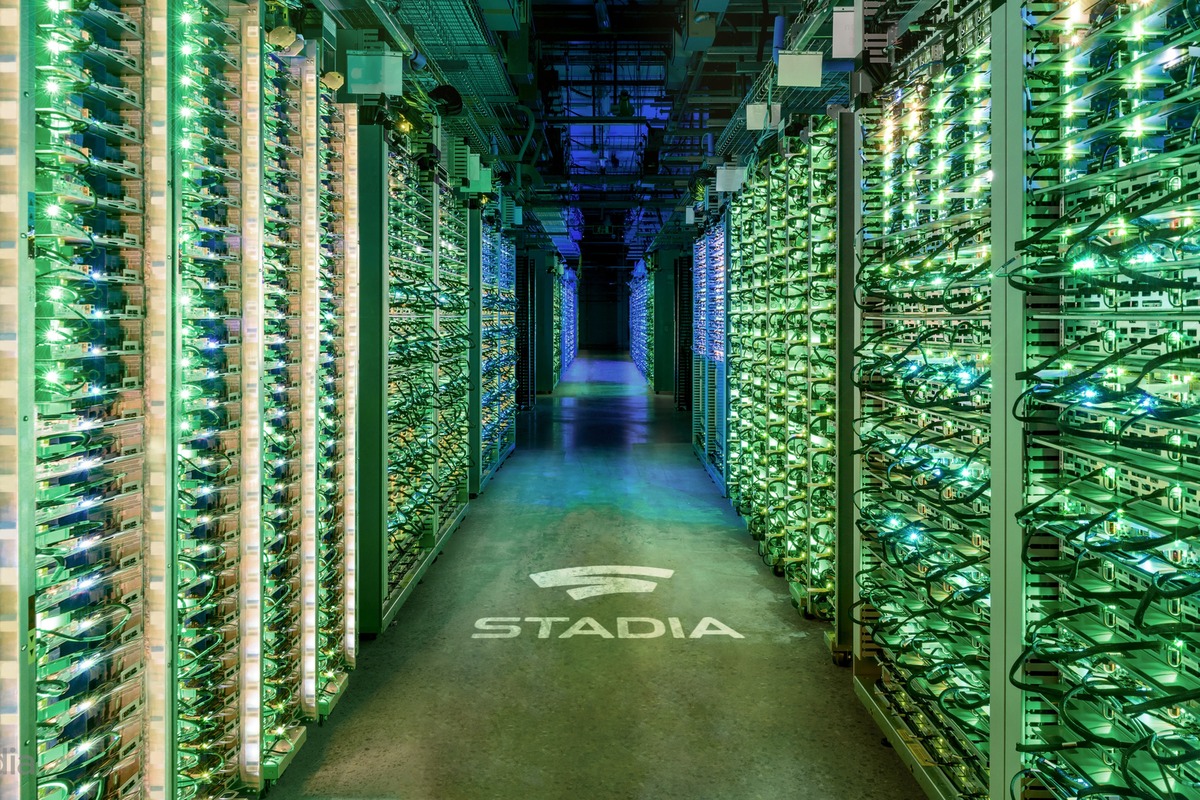
With hyperscale data center operators such as Amazon, Microsoft, Google and Facebook buying servers in the tens of thousands, we have seen the emergence over the last few years of original design manufacturers (ODM) that make huge volumes of cloud provider-designed hardware just for the big hyperscale operators. That’s why companies like Inspur, Huawei, and Supermicro have muscled their way onto the top server sales lists from Gartner and IDC. And these operators use their own custom hardware, so they aren’t causing component shortages for mainline server vendors like HPE and Dell.
“Hyperscale companies operate at such a scale that this strategy works for them. They design hardware that is very specifically optimized for their own usage, stripping out all extraneous components and functions. They then use contract manufacturers to produce large volumes at relatively low cost per unit. And one result is that ODMs have steadily eaten into the market share of more traditional hardware vendors,” Dinsdale said.